Posts

3 Steps to Building Your First Augmented Reality Classroom
Image
The world around us is changing with each passing day, and rapid advancements in technology continue to yield innovative solutions to help make our life easier. As the world evolves, educators around the world are also seeking new, exciting ways to make education more fun, interactive, and engaging. Adopting immersive technologies such as Augmented Reality (AR) in the classroom offers just that. Like many, you may associate AR with gaming and entertainment applications like Pokémon Go or Snapchat. However, the potential of augmented reality is not limited to the realms of entertainment, AR is making contributions in diverse sectors, including education. In fact, a recent study  predicts the global market for AR in education, which stood at $1.5 billion in 2020, will reach up to $85 billion in 2031, accelerating at a super-colossal compound annual growth rate (CAGR) of 80%. It also predicts the demand for AR content in K-12 education will grow at a CAGR of 75% over the next decade. ...
Students Increase Learning in Virtual Reality: How Students Learn Better with Virtual Reality

Image
Quality education is the cornerstone for building a secure, successful future, and knowledge transfer has been a top priority for the human race since the beginning of time. With Gen-Z becoming more exposed to cutting-edge technologies, educators are constantly looking for ways to make education interactive, engaging, and more effective. In the era of digital transformation, we have the opportunity to improve the learning experience by using leading-edge technology. Don't you think it is time we did something to improve the knowledge transfer process? Immersive technology like Virtual Reality (VR) in education appears to be the natural next phase for the evolution of education. When you hear the word 'virtual reality,' you may associate it with the gaming and entertainment industry, but VR is not limited to just those industries. Virtual reality is making its mark in diverse fields, including education. Many institutions have started to adopt VR in cla...

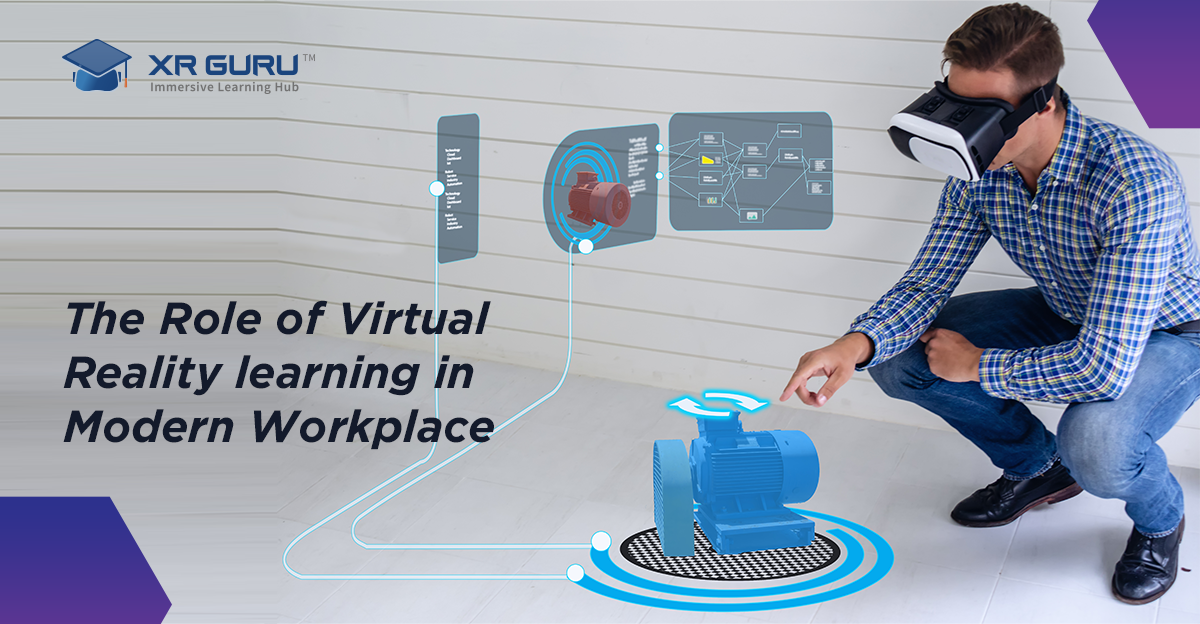
The Role of Virtual Reality learning in Modern Workplace

Image
Virtual reality has been on the horizon for almost a decade, but often people have dismissed VR solutions as being too expensive. However, because of the COVID-19 pandemic and the shift to 'learn and work from home'  the need for immersive technology such as virtual reality in the workplace and educational institutions has skyrocketed, especially for training purposes. Virtual reality is making a positive impact in diverse fields beyond entertainment and gaming as more industries start to realize the potential of VR-based learning in the workplace. A study  predicts the virtual reality market will grow from $6.1 billion in 2020 to $20.9 billion by 2025. The widespread availability combined with more affordable virtual reality devices are driving factors in the growth of the VR market. Adopting VR for workforce training offers about several advantages, such as faster learning, better collaboration, and enhanced employee engagement. In this blog, we explore the role of and benef...

Easily Set Up a Portable VR Lab in Your School

Image
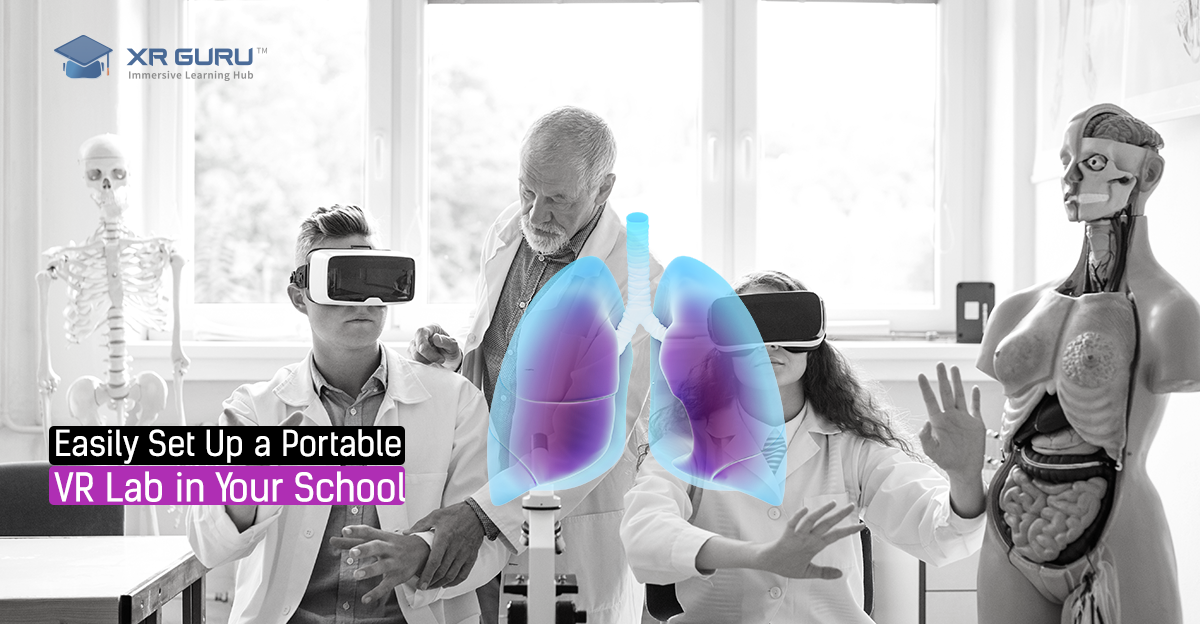
Education is constantly evolving, and educators are looking for innovative ways to make learning fun, exciting, and interactive. Over the past few years, educators have come up with creative ideas to make education 'practical' to deliver an engaging learning experience. However, not all educational institutions have the financial prowess to construct state-of-the-art laboratories. Also, post the COVID-19 pandemic, more people are opting for online education, and if we ponder the question, "what is missing in online education?" The unequivocal answer would be the lack of practical elements in online learning modes. You may wonder, "If labs are expensive, do we need them?" or "Are there any affordable, feasible alternatives?" Adopting cutting-edge technologies like Virtual Reality (VR) in education has the potential to transform the way we teach and learn by offering a practical hands-on learning approach. Many institutions have begun to give seriou...

Virtual Reality is the Next Step in Language Learning

Image
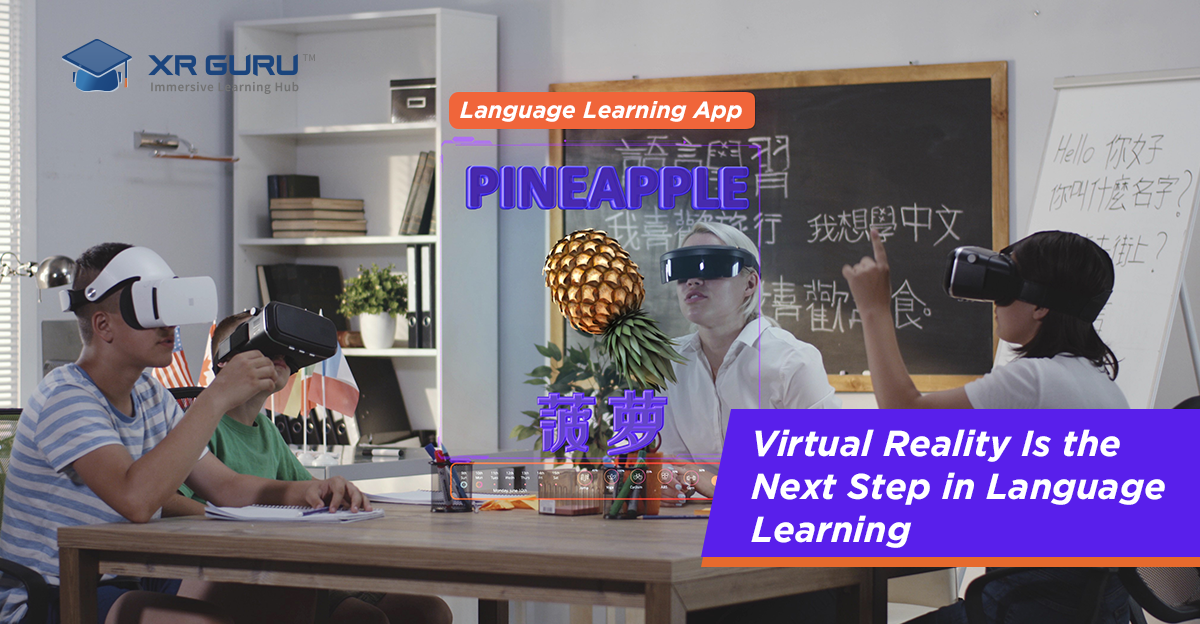
Advances with the internet and technology over the past decade have changed the world in ways never imagined. For example, we can connect with people across the globe through video conferences and work from remote locations. As we inch closer to a more globalized planet, it is important to understand the value of learning new languages. A person able to speak several languages can connect with more people and win more business opportunities. But, let us be honest, learning and mastering a new language is challenging. When it comes to learning a new language, a lot of effort is required. From taking classes, reading books, watching foreign language movies, attempting quizzes, the list goes on. Further, gaining fluency often requires an immersive, interactive experience like speaking to a native speaker and observing other cultures. However, traveling to a foreign country and conversing with native speakers is not feasible for everyone, especially with the strict travel restrictions post...

How to Apply Virtual and Augmented Reality in Learning?

Image
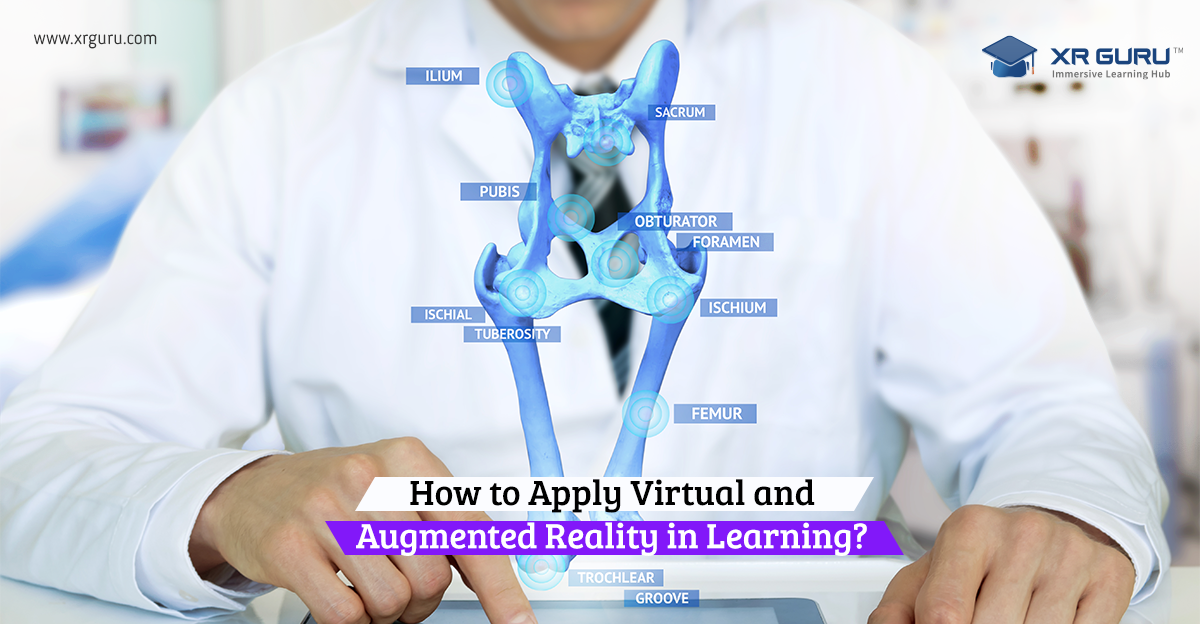
The objective of education is to help people learn, understand, and remember things. In the digital era, modern gadgets can be a major source of distractions. Hence, innovating new ways to make lessons interactive and improving student engagement has become increasingly difficult. However, utilizing cutting-edge technologies like virtual and augmented reality in learning can make education fun, interactive, and engaging. VR and AR have the potential to revolutionize the way we teach and learn. According to a  study , virtual and augmented reality in the education market will grow from $9.3 billion in 2018 to $19.6 billion by 2023, at a Compound Annual Growth Rate (CAGR) of 16.2%. It shows many educational institutions are becoming more receptive to the idea of virtual and augmented reality learning. Read on to learn how to use virtual and augmented reality in learning and their benefits. How to Apply AR & VR in Learning Here are some interesting use cases of VR and AR in learni...

4 Inventive Examples of Virtual Reality in Education

Image
Let us assume your students are learning about the planets in our solar system. How would you like for your students to have a chance to take a closer look at the planets by 'visiting' them? Sounds crazy, impossible? Thanks to virtual reality (VR) technology, this is now possible. Adopting virtual reality in education makes learning fun, interactive, and engaging. VR in the education market is booming, and a Fortune BI  report  predicts the global VR market in education to reach $13,098 million by 2026. In this blog post, we will explore some inventive ways to use virtual reality in education. 4 Inventive Examples of VR in Education 1. Virtual Field Trips Field trips can be an essential part of the educational process for they provide exposure and realistic experience to the learners. Field trips involve a lot of planning, organizing and can be expensive. Post COVID-19 pandemic, travel restrictions have made it difficult to travel across the globe. So, what if you could 'te...